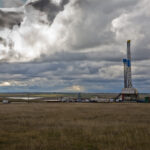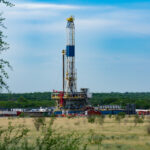
(BOE Report) – In rural west Texas where oil rigs and pump jacks dot the sparse flat landscape, an ExxonMobil contractor sits in a small office on a drilling rig, using controls on a screen to operate robotic machinery and move tall steel pipes weighing roughly 2,000 pounds.
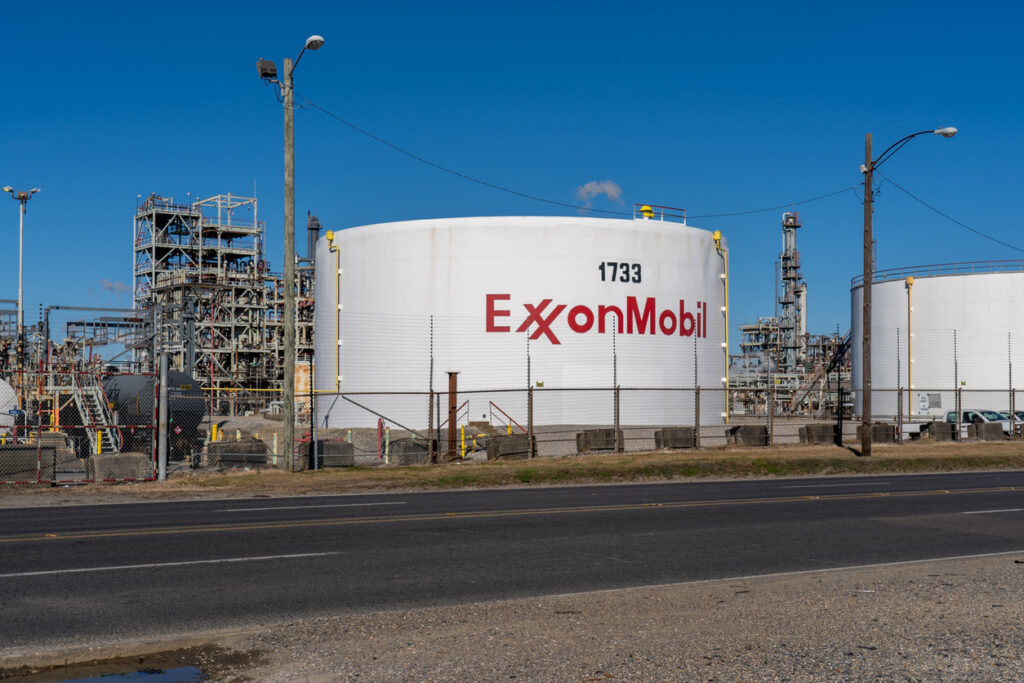
This work would usually require human overseers standing on the rig floor, the most common location for accidents on a rig. Exxon, the largest oil producer by volume in the U.S., operates more than 30 drilling rigs in the Permian Basin, two of which are automated rigs with robotic equipment. By 2028, the company aims to transition half of its fleet to automated rigs to reduce the need for workers to perform potentially dangerous work and increase efficiency to drill wells faster, an executive told Reuters. The Permian Basin in Texas and New Mexico, the biggest U.S. oilfield, revolutionized energy markets two decades ago when development of the shale basin turned the U.S. into one of the leading oil-producing countries. But the relatively quick decline rate of shale wells has prompted drillers to develop more technologies to extract the oil. Some in the industry are also concerned about when the Permian’s production could begin to decline. Exxon plans to grow its Permian production by almost 40% to 2.5 million barrels of oil equivalent per day by 2030. By contrast, rival oil major Chevron plans to hold production steady at about 1 million boepd, focusing instead on free cash flow.
The automated drilling rigs are part of a combination of technologies and strategies Exxon is using to boost production, said Bart Cahir, Exxon’s senior vice president of unconventionals, in an interview on the rig.
“When we take people off the rig floor, those same individuals are now able to think ahead and plan for the next operation and that combination gives us efficiency,” he said. “This is the productivity play.” The company installed its first automated rig, supplied by drilling contractor Helmerich & Payne, last year. It drilled two miles horizontally underground in a little over six days, the third fastest time in Exxon’s history.
Exxon’s use of automated rigs in the Permian and its goal of expanding the fleet has not been previously reported.
REDUCING RISK AND DRILLING MORE
On one of Exxon’s automated rigs in Midland, a gate surrounds the drilling floor with a sign reading “Red Zone: Restricted Area.” A drawing of the Grim Reaper illustrates the risk that workers face around heavy equipment and pressurized systems. Where workers would usually help move columns of drill pipe over two stories tall, robotic arms now position the pipes and connect them to a drill string. This allows drilling to continue deeper into the wellbore.
Employees on the rig communicate with Exxon’s central operations team in Houston to determine the precise movements the robotic system should make. Removing workers from the so-called Red Zones allows them to focus on other operations on the rig and reduces variability in the work, meaning more feet per day can be drilled, Cahir said.
“In the history of well drilling activity, about a third of significant injuries that occur happen on the rig floor,” he said. “By getting people out of that higher risk area, we’re essentially eliminating that risk.”
Exxon plans to expand automated rigs to a quarter of the fleet next year and then half of the fleet by 2028, Cahir said.
Exxon is also developing a suite of more than 40 technologies to double its oil recovery from the Permian by the early 2030s. The shale industry typically extracts just 10% of the oil in the ground due to the tight, compacted rock.
(Reporting by Sheila Dang in Midland, Texas; Editing by David Gregorio)