From Stars and Stripes
WASHINGTON — About 300 airstrikes against the Islamic State’s oil network in Iraq and Syria during the last two years have cut the terrorist group’s revenue by at least half, a U.S. military spokesman said Wednesday.
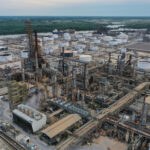
The U.S.-led coalition struck eight oil and natural gas targets in those countries in recent days as part of its ongoing Tidal Wave II operation, said Army Col. Christopher Garver, spokesman for Operation Inherent Resolve. But the Islamic State group is still earning about $15 million each month by developing oil and gas primarily in eastern Syria and selling it on the black market.
U.S. officials estimated the militant group’s oil revenues ranged from about $30 million to $42 million each month at its peak.
The Islamic State group, which has lost considerable land in the last year to Iraqi security forces and U.S.-backed rebel groups in Syria, is still able to export terrorism from its diminished territory, CIA Director John Brennan told lawmakers June 16. On Wednesday, Garver said it was likely at least some of those operations were funded through oil revenues. Other sources of revenue for the Islamic State group include taxation and extortion, he said.
“That’s still a lot of money,” Garver told reporters at the Pentagon. “You can fund a lot of things across the globe. That’s why we continue to strike.”
A June 23 airstrike destroyed the Islamic State group’s Ministry of Oil headquarters in Mosul. Garver said the strike targeted managers who run the illicit oil trade, potentially crippling the group’s ability to move oil across the battlefield.
It was not immediately clear what impact that strike had, he said.
“If I go and bomb a fighting position, if there’s no more machine gun fire coming from that fighting position, I think I got that position,” Garver said. “The oil business, and how much revenue they’re producing – that’s a whole different thing. We’ve got folks at the national level that are looking at that to try to understand it.”