(Oil Price) – Asia will bear the brunt of the energy crisis unfolding as a result of the war in the Middle East, former IEA chief Nobuo Tanaka warned this week.
Speaking at a hydrogen industry event in Malaysia, Tanaka said, as quoted by the Borneo Times, that “The first oil shock created the IEA in 1973. The second transformed industries and economies. Now we are facing a third oil shock, and Asia is at the centre of it.” The official went on to note that the closure of the Strait of Hormuz is a nightmare scenario come true, adding that the closure has cost the region 15 million barrels daily in lost output that is simply impossible to replace.
Asia stands to suffer the most due to its heavy dependence on oil and gas produced in the Middle East. As much as 60% of overall Asian crude oil imports come from the region. Last year, this translated into an average daily import rate of 14.74 million barrels, according to figures from Kpler, cited by Reuters in March.
Asia’s top suppliers of crude include Saudi Arabia, Iraq, and the United Arab Emirates. Iraq has been the most severely affected by the closure of Hormuz, with production of crude plunging from over 4 million barrels daily to just 1.4 million barrels daily. In May, the Iraqi oil minister reported that exports in April had fallen to 10 million barrels, down from 93 million barrels before the war between the United States and Israel against Iran began.
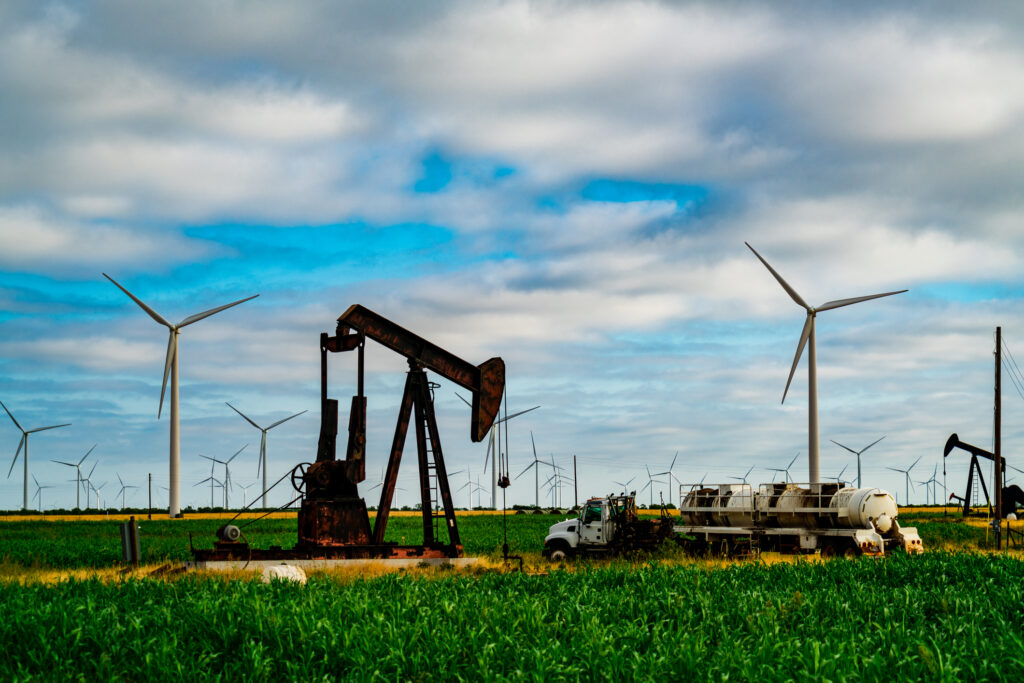
According to the IEA’s Tanaka, the way to overcome the crisis is electrification. “Thanks to electric vehicles, solar power, artificial intelligence and data centres, the age of electricity is here,” the official said. “The demand for EVs is rising everywhere. The current crisis may further accelerate electrification because countries want to reduce dependence on imported oil,” Tanaka also noted, pointing to the EU and China as examples of the successful pursuit of energy diversification.
China, however, remains the world’s largest oil importer and a major gas consumer as well as the top coal consumer in the world, while the EU is struggling economically under the weight of exorbitant electricity prices.
By Irina Slav for Oilprice.com