(Investing) – Oil prices pared losses on Thursday, as traders awaited Iran’s response to a new peace proposal that would end its war with the U.S. Mixed messaging from Tehran, along with a new push to control the Strait of Hormuz, also kept investors on edge.
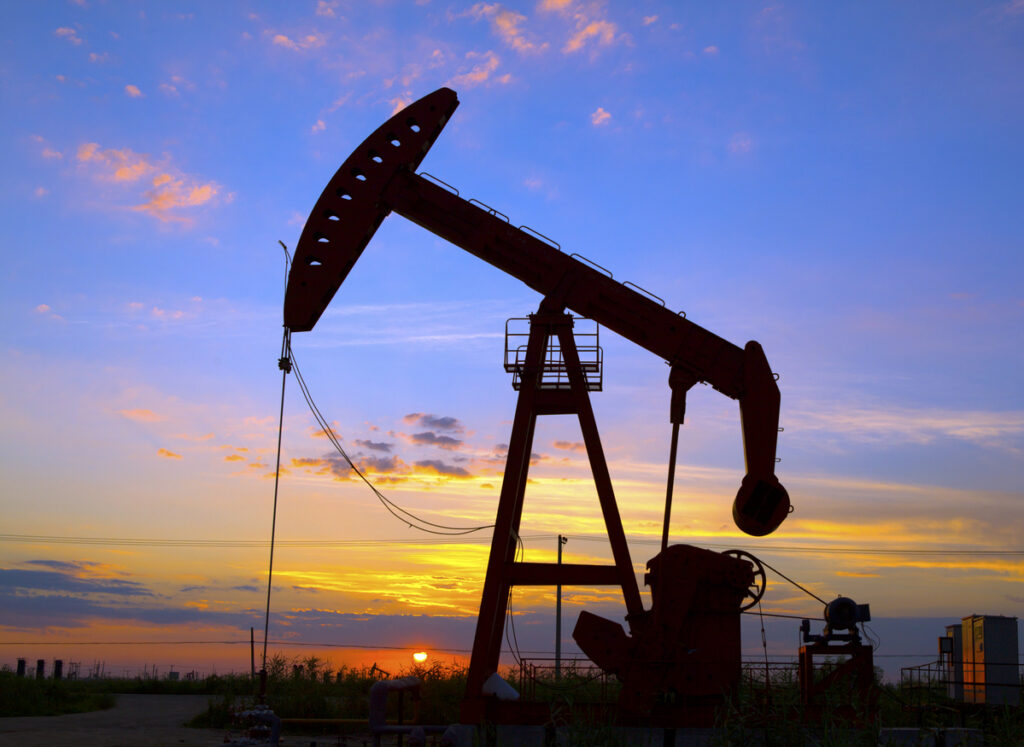
At 12:52 ET (16:52 GMT), Brent crude futures expiring in July, the global oil benchmark, fell 0.4% to $100.83 a barrel, after earlier having shed as much as 5.1% to a session low of $96.10 a barrel. U.S. West Texas Intermediate crude futures expiring in June had reversed course, last up 0.6% to $95.64 a barrel.
Iran still reviewing latest peace proposal
Both oil contracts fell more than 7% on Wednesday, after reports suggested Washington and Tehran were moving closer to an agreement that could ease tensions in the region and potentially reopen disrupted oil flows through the critical Strait of Hormuz.
Iran is reportedly reviewing a fresh U.S. proposal to end their more than two-month old war, even as President Donald Trump has maintained a threat to once again launch attacks should a deal fail to materialize.
The U.S. and Iran have reportedly been working with mediators on a one-page framework to once again restart talks over a lasting peace deal. The discussions are anticipated to kick off next week in Pakistan, according to the Wall Street Journal.
The paper added that a monthlong process would then look to resolve disputes over Iran’s nuclear ambitions and relief from sanctions, although key disagreements remain over areas like nuclear enrichment and inspections.
Iran, meanwhile, has provided more mixed messaging. Iran’s state media said Tehran was still reviewing the U.S. proposal and had not yet reached a conclusion, citing foreign ministry spokesperson Esmaeil Baqaei. But other media reports cited an Iranian official who described the U.S. peace plan as an American wish list.
According to CNN, Iran is anticipated to give mediators their response by Thursday.
Tehran pushes new rules for Hormuz transit
Markets have been highly sensitive to any developments surrounding the Strait of Hormuz, a vital chokepoint through which roughly a fifth of global oil trade passes. It has been effectively shuttered by Iran since the start of the conflict at the end of February, leading to the biggest oil supply disruption in history.
CNN also reported that Iran had set up a new protocol for tankers looking to transit the strait, where the ships need to fill out a document titled “Vessel Information Declaration” which was viewed by CNN. The document must be filled out or the ships risk attack, CNN said.
Meanwhile, the Wall Street Journal said Tehran wouldn’t allow the U.S. to reopen the strait with an “unrealistic plan” and then exit the war without paying any reparations “for all the damage inflicted on Iran,” citing comments from senior official Mohsen Rezaei.
“A deal that restores traffic through Hormuz would reduce the supply-risk premium, but any delay or setback in talks could quickly put upward pressure back on oil and gas prices,” analysts at ING said in a note.
Earlier this week, the U.S. paused an operation to restore commercial traffic through the strait after Iran responded with military force.
U.S. forces moved to disable an Iranian-flagged oil tanker attempting to breach the American blockade of Iran’s ports on Wednesday morning, according to U.S. Central Command. CENTCOM said several rounds were fired at the ship’s rudder as it sailed toward a port on the Gulf of Oman.
Shell sees bumper profit, cuts buyback
Away from the Middle East, market participants received quarterly results from British oil giant Shell. The company’s first quarter profit hit its highest level in two years at $6.92 billion, helped by the Iran war.
“Shell’s first quarter profits beat expectations at $6.9 billion. That’s more than double what it made in the previous quarter and more than $1 billion greater than the same period a year ago. A key profit driver has been the Middle East conflict leading to a spike in oil prices, meaning Shell was able to sell its goods at a much higher price,” Dan Coatsworth, head of markets at AJ Bell, said.
“The oil price has been volatile since the conflict began on stop-start hopes of a resolution, and that volatility created opportunities for Shell’s trading arm,” Coatsworth added.
The massive profit spurred Shell to increase its dividend by 5%. However, Shell also cut its share buyback program to $3 billion from $3.5 billion. U.S.-listed shares of the company slipped about 3%.
Ayushman Ojha and Scott Kanowsky contributed to this article