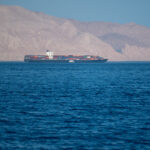
(Investing) – Oil prices gained on Tuesday, after a tanker transiting the Strait of Hormuz was struck by an unidentified projectile, the United Kingdom Maritime Trade Operations agency said.
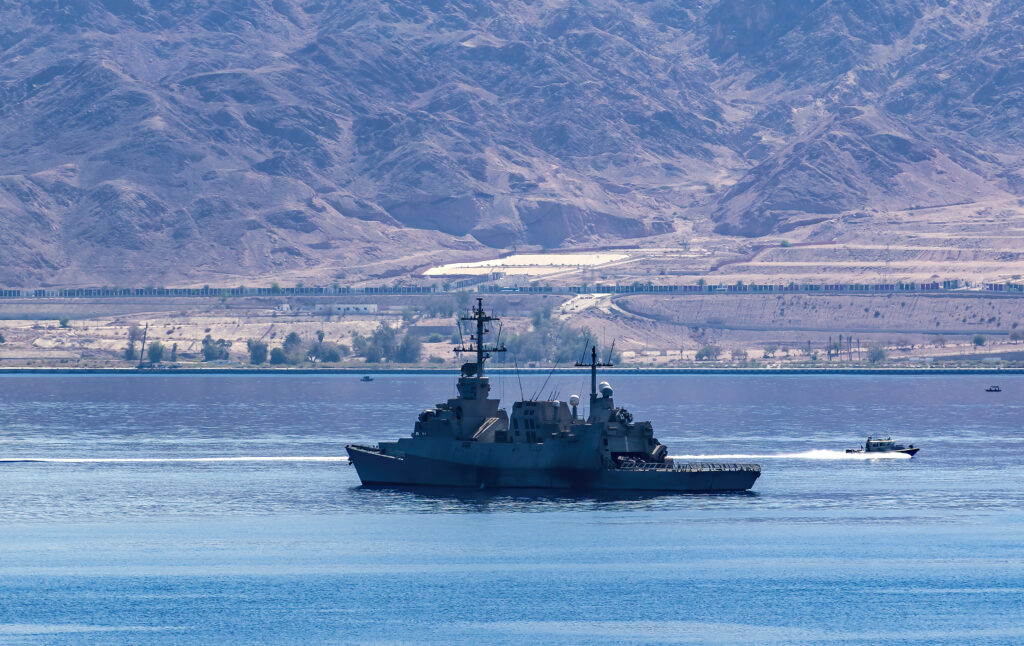
The vessel is believed to have structural damage, the UKMTO said, adding that there have been no casualties or environmental impact reported. Ships sailing through the strait were advised to “transit with caution,” the UKMTO flagged.
By 10:12 ET (14:12 GMT), Brent crude futures, the global oil benchmark, had risen by 2.7% to $73.93 a barrel, while U.S. West Texas Intermediate crude futures had advanced by 2.5% to $70.29 a barrel.
Earlier, the U.K. Maritime Trade Operations agency said it had received a report from a tanker traveling south near the Omani coast that was hit by an unidentified projectile, triggering a fire. Iran has made no official claim for the attack, although anonymous sources quoted by Iranian state television suggested that assault targeted a tanker carrying natural gas from Qatar.
Axios, citing two U.S. officials, also reported that Iran’s military fired at least two missiles at commercial ships transiting the Strait of Hormuz on Monday night, ending a week-long halt in attacks under a U.S.-Iran understanding. The U.S. is likely to retaliate with strikes against Iranian targets, the report said.
Iran has said any vessel attempting to traverse the Strait of Hormuz must use routes approved by Tehran, adding that interference from the U.S. would be met with “a rapid and decisive action.”
The reported attacks came after a one-week agreement between Washington and Tehran to suspend attacks in the strait expired, placing a memorandum of understanding signed less than three weeks ago at risk of unraveling, Axios said.
Crude prices have retreated since the signing of the interim peace deal in June. After the onset of the conflict in late February, oil prices surged, surpassing $110 a barrel at one point and driving concerns over a global burst of inflation.
Recent data points have indicated that flows are beginning to once again move through the strait, although it remains unclear if flows have fully recovered. Along with Iran’s nuclear ambitions and fighting between Israel and Tehran-backed Hezbollah militants in Lebanon, control of the Strait of Hormuz has become a major issue in peace negotiations. Iran has demand that it retain some control over the strait, a vital chokepoint for global shipping. The U.S. has rebuffed these demands.
“Oil prices are back to pre-conflict levels, even though the Strait of Hormuz is still only seeing a fraction of traffic go through. There is still supply-chain stress here,” analysts at Deutsche Bank including Henry Allen said in a note.
But any uptick in oil prices was mitigated by the prospect for increased global oil supplies. The Organization of the Petroleum Exporting Countries and its allies, including Russia, agreed on Sunday to raise its production targets by 188,000 barrels per day from August, following similar increases in June and July.
Meanwhile, the United Arab Emirates, which ditched OPEC+ output quotas in May, said it had lifted crude production by more than 3.8 million barrels per day in June — topping levels before the start of the Iran war.
Saudi Aramco also cut the August official selling price of its flagship Arab Light crude for Asia to a discount against the regional benchmark for the first time since 2020, highlighting intensifying competition for market share as Gulf exports recover.
(Roushni Nair contributed reporting)