
Wednesday, September 16, 2026

Regulators Deal a Setback to Maine’s Tiny Offshore Wind Energy Project

Developer must revisit finance terms before commission will commit ratepayers to $200 million price tag for experimental project From WorkBoat – by Kirk Moore An offshore wind energy pilot project was dealt a setback by Maine utility regulators, who voted to revisit a power price contract critical for financing the floating turbines. Maine Aqua Ventus is a proposed 12 MW

The Stunning Numbers Behind the Success of the Tesla Big Battery

From REneweconomy The Tesla big battery in South Australia has already taken a 55 per cent share in the state’s frequency and ancillary services market, and lowered prices in that market by 90 per cent, new data has shown. The stunning numbers on the economics of the country’s first utility-scale battery were presented at the Australian Energy Week conference in

More Gas, Renewables in Dominion’s Future

Building 8 new gas-fired plants, but its 4 nuke plants are backbone of zero-carbon power From Power Magazine Dominion Energy plans to build eight new natural gas-fired power plants and speed the pace of its renewable energy efforts, according to the utility’s integrated resource plan (IRP) filed with Virginia regulators on May 1. The company also said its future plans focus on

State-of-the-Art Gas Fired Power Station is Generating Power for 2.5 Million People after Conversion from Coal

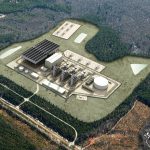
$700 million investment addresses growth in the region and expected future energy demand  Project benefited 150 companies, contributed $12 million to local subcontractors A new 750-megawatt combined-cycle natural gas plant at the W.S. Lee Station in Anderson County, S.C., began generating gas-fired power for Duke Energy (ticker: DUK) customers last week in South Carolina and North Carolina. Construction of the $700 million plant started in March 2015. Duke said

Arizona Utility Regulators Impose a Freeze on New Natural Gas Power Plants

Arizona Corporation Commissioners, all five Republicans, reject Arizona Public Service Co. long-term plan adding gas powered generation, asks APC to submit plans for renewable energy -i.e. utility solar From Scientific American Arizona regulators gave the state’s largest utility the cold shoulder last week, essentially rejecting Arizona Public Service Co.’s plans to double its natural gas fleet over the next 15 years. Instead,

India will be the Largest Growth Market for Energy by the 2030s: BP

BP released its 2018 Energy Outlook Tuesday, this year extending its projections out five additional years to 2040. BP’s 2018 Outlook’s findings are tied to what it labels ‘the energy transition’. “The speed of the energy transition is uncertain and the new Outlook considers a range of scenarios. The ‘evolving transition’ scenario assumes that government policies, technologies and societal preferences

U.S. Coal Companies Report Profits

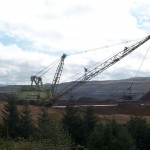
From the Casper Star-Tribune Arch Coal, owner of the mammoth Black Thunder mine outside Wright, increased profits last year, and officials expect production in the Powder River Basin to remain stable in 2018. One of the three large coal companies in Wyoming to file for Chapter 11 during the downturn, Arch made $2.3 billion in revenue its first full year

NatGas Will Provide Bulk of U.S. Electricity for at Least Two More Years

United States leans away from coal as natural gas powers up to 20 gigawatts in 2018 The EIA’s January 2018 Short-Term Energy Outlook (STEO) forecasted that natural gas will remain the primary source of U.S. electricity generation for at least the next two years. The share of total electricity supplied by natural gas-fired power plants is expected to average 33%

Natural Gas Dominates: Seven Power Sector Experts Weigh In with Forecasts for 2018

From UtilityDive 2017 delivered on the promise of a wild year once President Donald Trump took office. With all bets off, his administration sought to transform the power sector and stem coal plant retirements with its fossil-fuel friendly agenda. Phrases like “resilient” and “energy dominance” have risen in the power sector’s lexicon, driven in large part by efforts of the