(World Oil) – OPEC’s decades-long influence over global oil markets is facing renewed pressure as founding member Venezuela considers leaving the producer group, just months after the United Arab Emirates withdrew.
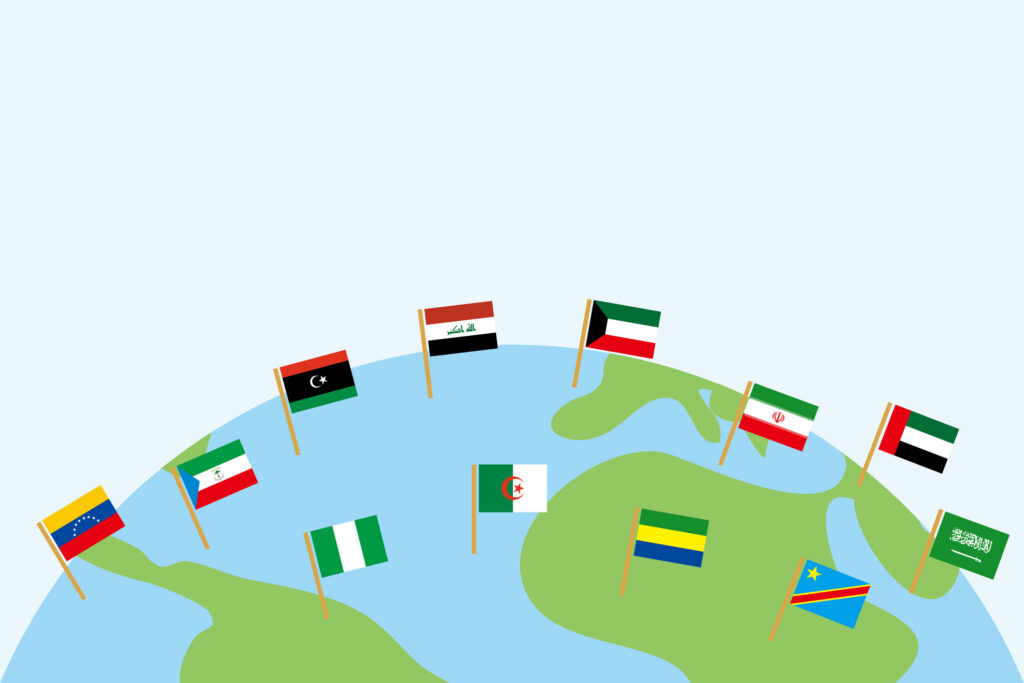
Officials from Caracas are deliberating whether to leave the organization it helped establish more than six decades ago as Venezuela moves closer to the U.S. While an exit would have little immediate impact on global oil supplies, traders and analysts say it could further undermine OPEC’s cohesion and influence over crude prices.
The potential departure follows the UAE’s withdrawal and comes as Iraq has also signaled dissatisfaction with its production limits. Further fragmentation could increase competition among producers for customers and market share while reducing OPEC’s ability to manage periods of excess supply.
“The very cohesion and credibility of OPEC could be at stake,” said Ali Al Riyami, former director general of oil and gas marketing in Oman’s energy ministry. “The critical question is whether this marks the beginning of a broader wave of withdrawals.”
OPEC and its partners have already seen their share of global supply challenged by rising production from the U.S., Brazil and Guyana. More recently, the war in Iran has forced Saudi Arabia and other Gulf producers to curb output, while Russia’s influence has weakened as its exports have been affected by the war in Ukraine.
“For OPEC, it is another sign of the group’s influence on the oil market waning, which could result in more volatile oil prices,” said Hamad Hussain, a climate and commodities economist at Capital Economics.
Venezuela’s departure would have limited near-term supply implications. Years of sanctions and economic turmoil have reduced the country’s production, and it is currently exempt from OPEC’s production quotas. Despite potential oil agreements with the U.S., a significant increase in Venezuelan output is not expected in the immediate future.
The longer-term implications could be more significant. If Venezuela followed the UAE out of OPEC, the two departures would remove more than 5 MMbpd of production capacity from the organization, equivalent to roughly 17% of the capacity held by core members at the beginning of 2026. Venezuela also holds some of the world’s largest oil reserves, which could support substantially higher production over time with increased investment.
The UAE announced its departure in April after years of frustration over production limits that constrained its expanded capacity. Angola left OPEC in 2024, while Iraq warned in June that it could consider withdrawing if it is denied a higher production limit following an ongoing assessment of member capacity.
OPEC could face a more difficult balancing act if the Iran conflict is resolved and Persian Gulf supplies return fully. The International Energy Agency and other forecasters have projected a global oil surplus under such a scenario, potentially increasing pressure on OPEC+ to curb production.
If additional cuts are required, Saudi Arabia could face greater pressure to shoulder the burden as OPEC’s de facto leader.
“OPEC is fighting what is starting to look like a losing battle against significant changes in the geopolitics of oil,” said Henning Gloystein, managing director for energy and resources at Eurasia Group. Declining membership and production volumes, he said, are weakening the group’s influence as the U.S. gains importance on the supply side and China plays a larger role in global demand.