(Investing) – Brent crude futures, the global oil benchmark, had edged down 0.2% to $86.84 a barrel, while U.S. West Texas Intermediate crude futures had dipped 0.4% to $80.91 a barrel by 09:30 ET (13:30 GMT). Brent and WTI futures were trading up around 5% this week.
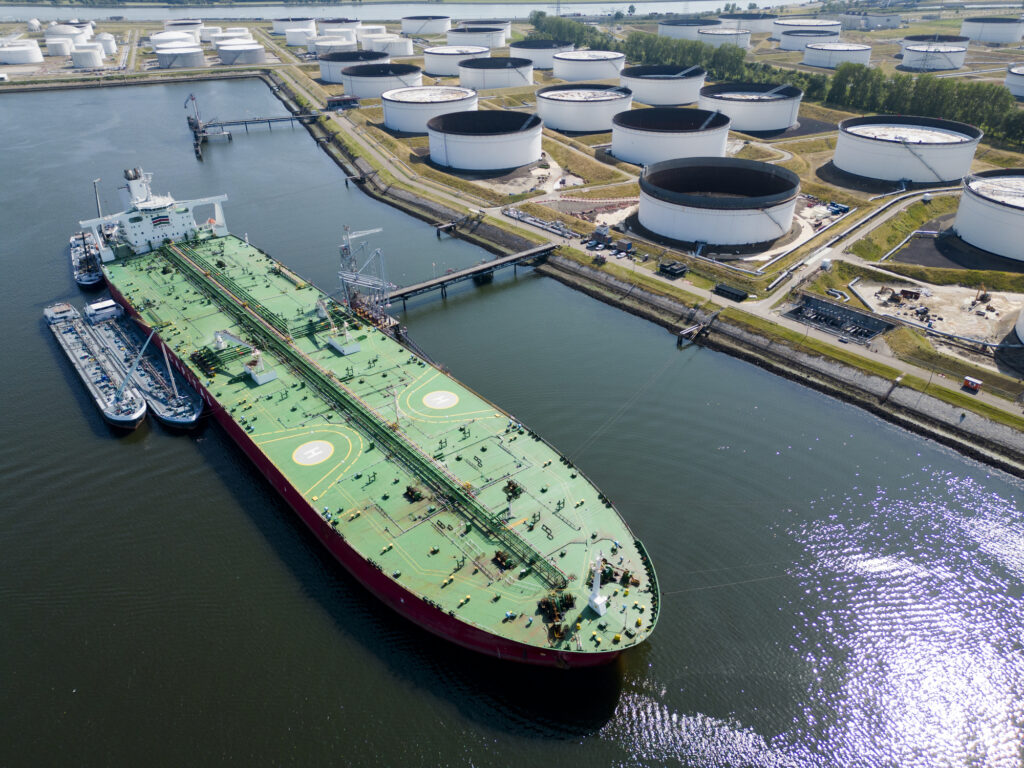
The effective closure of the Strait of Hormuz has been a key point of support for oil prices this year, given that roughly a fifth of the world’s oil and liquefied natural gas passed through the narrow conduit prior to the start of the Iran war in late February.
A tanker in the Strait of Hormuz was struck by an uncrewed aerial vehicle while attempting to exit the waterway, according to the United Kingdom Maritime Trade Operations agency on Friday. In a statement, the UKMTO said the vessel sustained minor damage, while its crew are reported safe and accounted for. No environmental impact was reported, the UKMTO noted.
But the agency flagged that ships should take caution when transiting the strait.
The UKMTO report came as the U.S. and Iran remain at loggerheads over the strait. Iran has said it still has full control of the waterway and closed it off to commercial shipping, although the U.S. has claimed that it continues to facilitate sailings.
On Thursday, U.S. Defense Secretary Pete Hegseth said Washington could maintain an ongoing naval blockade of Iranian ports indefinitely. The continued presence of American naval forces in the Gulf have already reportedly caused severe economic damage to Iran.
Treasury Secretary Scott Bessent has also said that the U.S. would hit Iran with “measures like have never been seen in the history of economic isolation on a country.”
This week President Donald Trump has suggested that economic sanctions meant to squeeze Iran will eventually force Tehran to accept U.S. demands, including an end to its nuclear program and a full reopening of the Strait of Hormuz. Although U.S. stockpiles of crucial weapons have dwindled and talks with Iran have shown no sign of restarting soon, Trump has claimed that a “totally broke” Iran will eventually cave to the financial pressure.
Iran’s Parliamentary Committee on Councils, meanwhile, has agreed on a strategic action plan to manage the Strait of Hormuz, according to media reports. One part of the proposal would include a ban on vessels and equipment owned by the U.S., Israel, and other “hostile countries” through the strait, the reports said.
A spokesperson for the committee argued that these countries have “used the Strait of Hormuz to carry out hostile actions against our country, and have committed unjust and aggressive acts against the Iranian people,” Iran’s Tasnim news agency reported.
Despite the murky supply outlook, crude’s weekly gains were dulled by both the Organization of the Petroleum Exporting Countries and the International Energy Agency cutting their demand forecasts for the year.
The two oil industry bodies warned that sluggish economic growth, high prices, and tight supplies would quash demand in the coming months.
(Ambar Warrick contributed reporting)