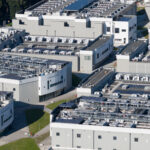
(Oil Price) – For farmers in the United States, concerns about too much clean energy production are quickly transforming into concerns about too little energy to go around. For years, rural America has been pushing back against the spread of utility-scale solar and wind farms competing for agricultural land. Now, they have a new sector to worry about as massive data center developments look to set up shop across the country, competing for land, energy, and water resources.
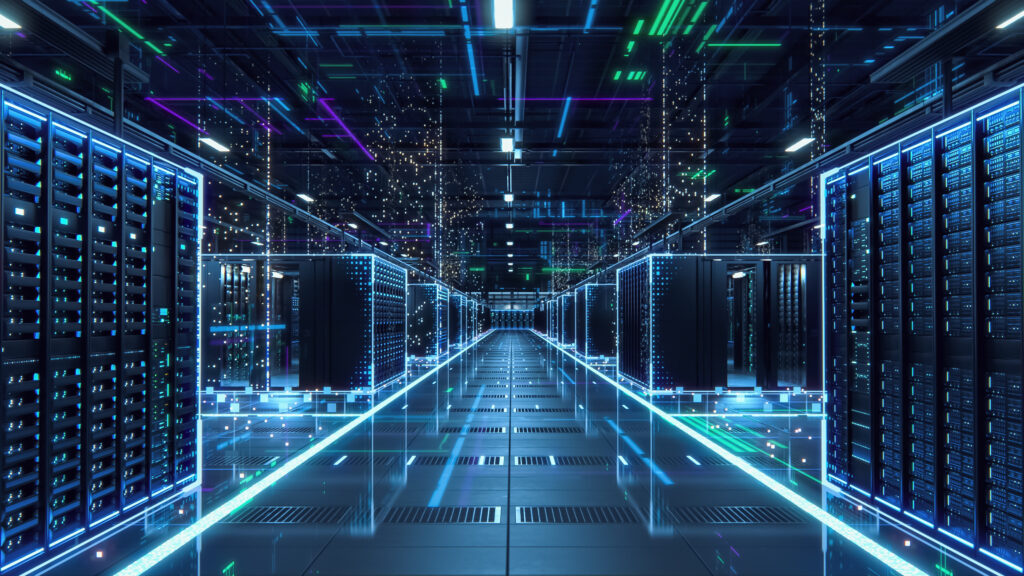
AI integration is becoming ubiquitous, with virtually no market sector untouched by its rapid spread. In October, Nvidia – the company that makes the advanced computer chips that power many machine learning platforms – became the first company to achieve $5 trillion in valuation. To put into perspective just how massive that number is, it’s higher than the entire gross domestic product of Germany, Europe’s largest economy.
The scale of this global transformation is hard to overstate, and is being felt in even the most unlikely of places, from Silicon Valley to the American heartland. In the rural United States, farmers are becoming increasingly worried about how developments in Big Tech could impact their daily operations, especially when it comes to energy prices, which are already soaring.
“As we see some of these big power users wanting to come into the state of Illinois, like data centers and those types of things, there’s some concern by our membership that there’s going to be an over-demand on power,” says Kevin Semlow, director of governmental affairs and commodities with the Illinois Farm Bureau. “As you see demand go up and supply stays the same, what changes? It’s the price.”
In an interview with agricultural news outlet Brownfield, Semlow went on to say, “Our members are concerned that as we see these higher-use facilities come in, we’re going to see prices increase, which then of course has a great impact on the bottom line.”
Farmers aren’t the only ones worried about footing the bill for AI’s massive energy needs. Many residents living in states that have welcomed data center development, like Virginia, are already experiencing a utility bill crisis. “We are witnessing a massive transfer of wealth from residential utility customers to large corporations—data centers and large utilities and their corporate parents, which profit from building additional energy infrastructure,” Maryland People’s Counsel David Lapp told Business Insider back in July. “Utility regulation is failing to protect residential customers, contributing to an energy affordability crisis.”
And energy prices aren’t the only concern. Data centers are also major water-consumers. In 2014, U.S. data centers used 5.6 billion gallons of water. By 2023, that had tripled to 17.4 billion gallons – and that number is going to keep rising at a rapid pace. Considering how essential water resources are for agriculture, and that agricultural demand is already placing undue stress on scarce water resources, added competition from data centers is on track to become a major concern, especially in drier climates. Even in climates with abundant freshwater sources, activists warn that these competing interests could cause shortages. A recent report from Sentient cautions that “without intervention, the Great Lakes could be strained past their limit.”
Moreover, data center developments are snapping up a lot of land in rural and agricultural zones, sparking pushback from local communities. In Indiana earlier this year, local residents won out in a heated battle against Google, which wanted to convert more than 450 acres in an Indianapolis suburb into a massive data center campus. “When a lawyer representing Google confirmed at a September public meeting that the company was pulling its data center proposal, cheers erupted from sign-waving residents,” NPR reported.
Indeed, resentment for data center development is becoming so widespread that it’s now one of the few issues that both Democrats and Republicans can agree on. And that’s saying something.
By Haley Zaremba for Oilprice.com