(By Oil & Gas 360) – Escalating tensions involving Iran are raising new questions about the security of the Strait of Hormuz, one of the world’s most critical energy chokepoints, as military action intensifies and energy markets brace for potential supply disruptions.

The United States has stepped up strikes against Iranian targets, widening the conflict and increasing uncertainty around the stability of shipping routes through the Persian Gulf. Markets are watching closely for signs that attacks on infrastructure or tanker traffic could interrupt oil and liquefied natural gas exports from some of the world’s largest producers.
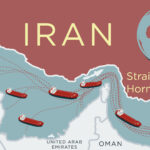
The Strait of Hormuz connects the Persian Gulf to global markets and carries roughly one-fifth of the world’s oil shipments. Because so much energy supply moves through a single narrow corridor, even the threat of disruption can quickly ripple through oil prices, freight markets, and insurance costs.
Securing shipping through the strait presents several challenges. Tanker operators must weigh rising war-risk insurance premiums, the possibility of missile or drone attacks, and the need for naval protection in contested waters. Shipping companies and insurers are also assessing whether vessels can safely transit the area as military tensions escalate.
Industry leaders warn that the consequences of a prolonged disruption could be severe. Saudi Aramco has cautioned that instability in the Strait of Hormuz could have catastrophic implications for global oil markets, particularly if shipments are delayed or halted for an extended period.
Executives at Saudi Aramco have warned that prolonged disruption in the Strait of Hormuz could have “catastrophic consequences” for global oil markets and the broader economy. Global inventories are already near five-year lows, increasing the vulnerability of supply chains if shipments are delayed or halted.
While some Gulf producers have pipeline routes that bypass the strait, those alternatives can only move a fraction of the volumes that normally pass through the waterway. That reality underscores how dependent the global energy system remains on uninterrupted transit through Hormuz.
For now, tanker traffic continues under heightened security, but the situation remains fragile. As the conflict evolves, the balance between military escalation and the need to keep global energy supplies moving will remain one of the most closely watched factors in energy markets.
About Oil & Gas 360
Oil & Gas 360 is an energy-focused news and market intelligence platform delivering analysis, industry developments, and capital markets coverage across the global oil and gas sector. The publication provides timely insight for executives, investors, and energy professionals.
Disclaimer
This opinion article is provided for informational purposes only and does not constitute investment, legal, or financial advice. The views expressed are based on publicly available information and market conditions at the time of publication and are subject to change without notice.