(Investing) – LONDON/SINGAPORE – The number of tankers transiting the Strait of Hormuz fell in the past day to the lowest level in two months, shipping data showed on Monday, as renewed strikes between the U.S. and Iran and attacks on vessels heightened safety concerns.
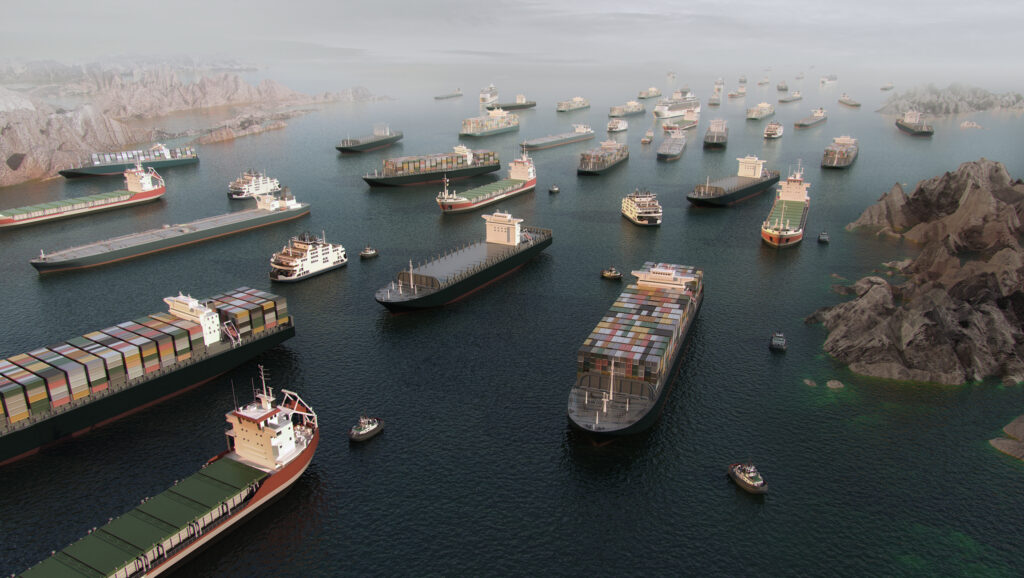
Shipping industry sources said vessels were increasingly switching off their public AIS tracking transponders, making it difficult to determine the full number of ships crossing the waterway.
Based on available data, oil and gas tanker traffic fell to its lowest level since May 25, according to analysis from Kpler.
“Should the renewed escalation in the strait lead to another prolonged closure of Hormuz, the world will find itself in a much tougher spot,” ship broker Gibson said in a report.
“With global inventories rapidly depleted in recent months, this is a recipe for much tighter supply, higher prices and significant downside risk for tanker markets.”
The Sea Faith oil products tanker was among the few visible vessels sailing towards the entrance to the Strait of Hormuz near the Iranian side of the waterway, with a destination of Sohar, according to LSEG and MarineTraffic ship-tracking data on Monday.
Commercial traffic through the Strait of Hormuz “continued at reduced levels”, the U.S. Navy-led Joint Maritime Information Center (JMIC) said in an advisory on Sunday.
“Traffic patterns continued to reflect operator caution following recent attacks.”
At least three pairs of tankers were involved in ship-to-ship transfers outside of Hormuz off Oman’s coast in the Gulf of Oman, according to the latest satellite imagery from July 11 reviewed by Reuters.