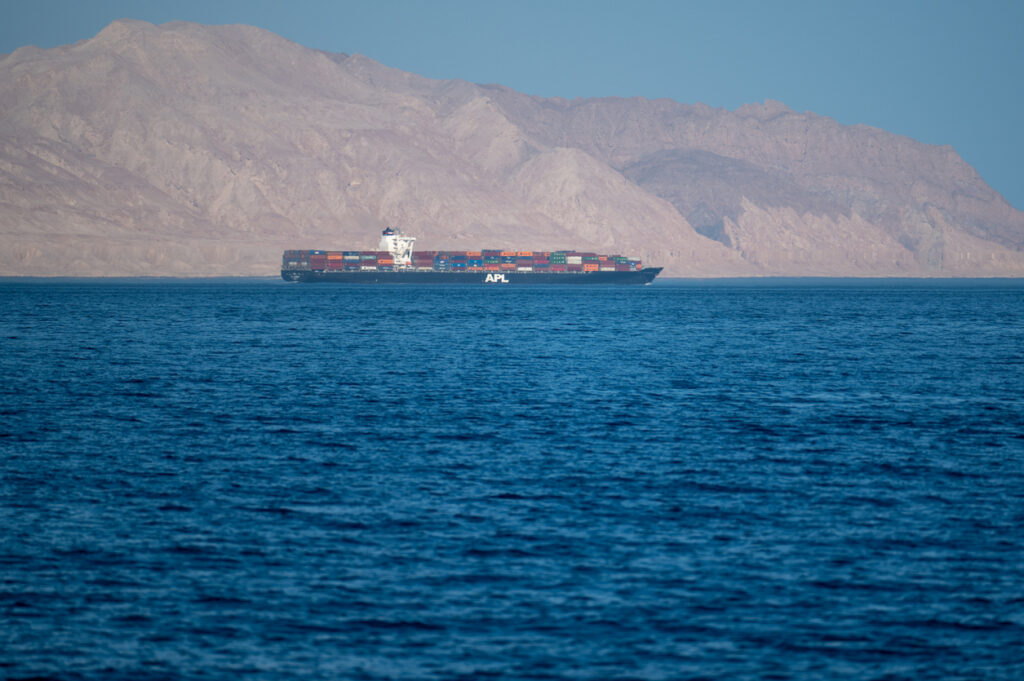
(Oil Price) – Iranian gunboats made a pointed move in the Strait of Hormuz this week, approaching a U.S.-flagged oil tanker in what U.S. and British maritime security sources describe as a failed attempt to interfere with the vessel’s transit. No shots were fired, the tanker continued on its way, and no damage was reported—but the message was unmistakable.
The incident comes as tensions between Iran and the United States simmer just below the boiling point, with Washington continuing to reinforce its military presence in the region and Tehran looking for ways to remind everyone that it still has cards to play. The Strait of Hormuz, through which roughly a fifth of the world’s oil supply passes, remains Iran’s most obvious pressure point.
According to maritime security firm reports cited by U.S. media, several Iranian fast-attack craft approached the tanker as it transited the narrow waterway en route to Bahrain. The tanker continued on its route, and the incident did not escalate. But it landed as freight markets were already under strain.
Tanker availability on Middle East routes has thinned, pushing rates higher even before the latest encounter. Last week, prices for crude shipments from the Gulf to Asia jumped sharply and have yet to retreat, as ship scarcity and regional tension continue to weigh on the market.
Iranian naval harassment has a long track record of stopping just short of outright confrontation, while still forcing insurers, traders, and ship operators to price in risk. Even brief encounters like this one are enough to push insurance premiums higher and keep available tankers tied up longer than usual.
Iran’s air defenses may be weakened, but its leverage at sea remains. Fast boats, missiles, and drones give Tehran a way to disrupt traffic in the Strait of Hormuz without crossing the line into open conflict.
By Julianne Geiger for Oilprice.com