(Oil Price) – Concerns about energy security and the push in many countries to boost electrification to replace road transportation fuels are making clean energy investments hot again.

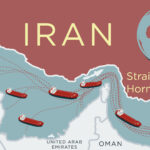
As the Middle East crisis and the still closed Strait of Hormuz forces governments into action, renewable stocks and markets are poised for a rebound from institutional investors and hedge funds after a few years of weak returns, according to analysts, investors, and officials.
“You need a price signal and then capital and investments will flow into this and the supply will then start to catch up,” Singapore’s Climate Action Ambassador, Ravi Menon, told Bloomberg News in an interview.
“In fact, the smart money should already be investing in that now, knowing that there’s going to be demand and prices are going to go up,” said Menon, who was formerly the managing director of the Monetary Authority of Singapore.
The Hormuz crisis has already triggered an electrification drive in south and Southeast Asia as consumers struggle with fuel price spikes and even shortages in some countries. Europe and Asia are accelerating plans to install wind, solar, and battery storage capacity to protect against the highly volatile oil and gas markets in increasingly uncertain geopolitical developments.
Investors overwhelmingly expect financing for renewable energy projects to surge in the wake of the Iran conflict, a new poll by the UK Sustainable Investment and Finance Association (UKSIF) showed last week.
Investment firms managing a total of around $7.4 trillion (£5.5 trillion) in assets under management completed the UKSIF survey last month, which showed 87% of respondents expect both global and UK-specific investment in renewable energy projects to increase following the war.
The survey also showed 78% of respondents felt global renewable energy investments were now “less risky relative to oil and gas” after the outbreak of the war.
Moreover, 87% of respondents said their “confidence in the long-term outlook for global renewable energy-related investments” had increased since the war began.
By Tsvetana Paraskova for Oilprice.com